


Note: Everything I have written here is the result of many years of studying and repeatedly reading Gendlin’s book A Process Model. However, what is written here stems from my own learning and understanding, and does not necessarily express additional layers in Gendlin’s writing. The text is meant to make complex and innovative ideas more accessible and to support their understanding, but it does not replace reading the original work, Gendlin’s book.
"In the seemingly infinite richness of the unborn
something may happen which has not yet,
and will then be definable
in terms of the process in which it participates" (APM, p.7)
Within what appears to be the infinite richness of what has not yet been born, something may occur that has not yet happened, and then it can be defined by the process in which it participates.
This sentence, in which Gendlin describes Environment #0, sounds like it was taken from the Twilight Zone.
Environment #0 is the environment that surprises us—one that was never here before, one we could not even imagine, and then it arrives and changes the process of our lives in a transformative way.
An example of a “not-yet” environment: the COVID-19 pandemic
No one could have imagined it. It had never happened to anyone before. Even the all-knowing “spectator” did not see COVID coming.
This has never happened and is not now any creature's En, not even the spectator's.
And there it was, in 2020. Arriving out of nowhere, and once it was here, it was defined by life processes—which did not stop, only changed. Changed a lot. Transformatively.
These images tell part of the story of the transformation of our life processes. How En#0 became our En#2 and changed the life process:

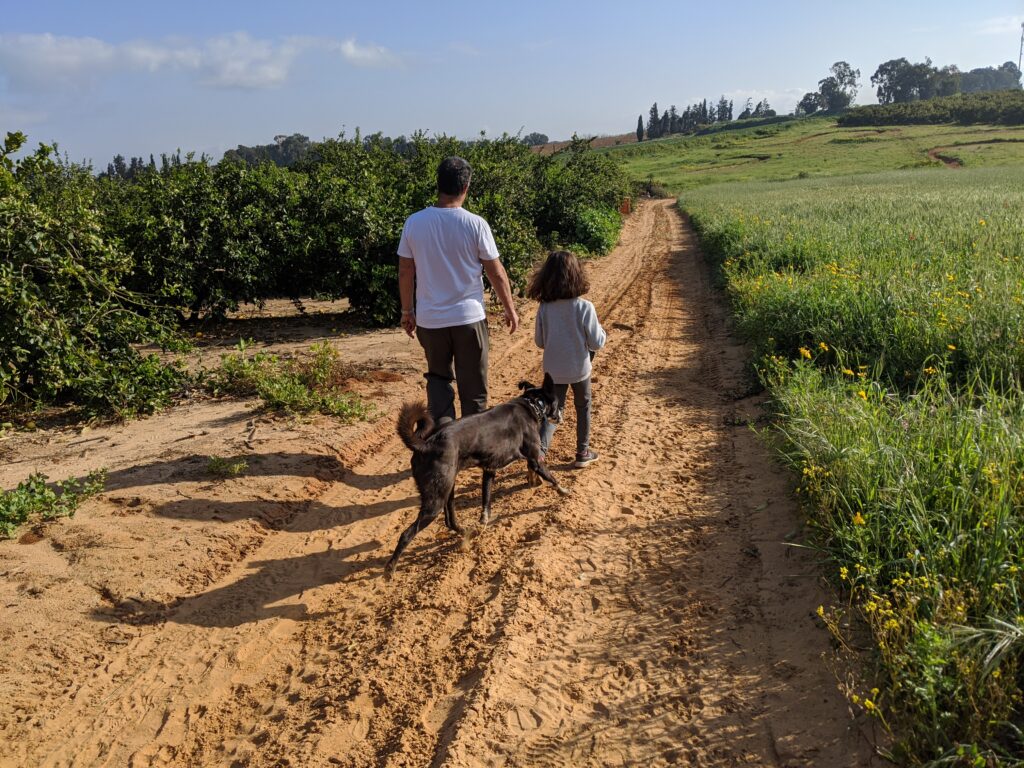
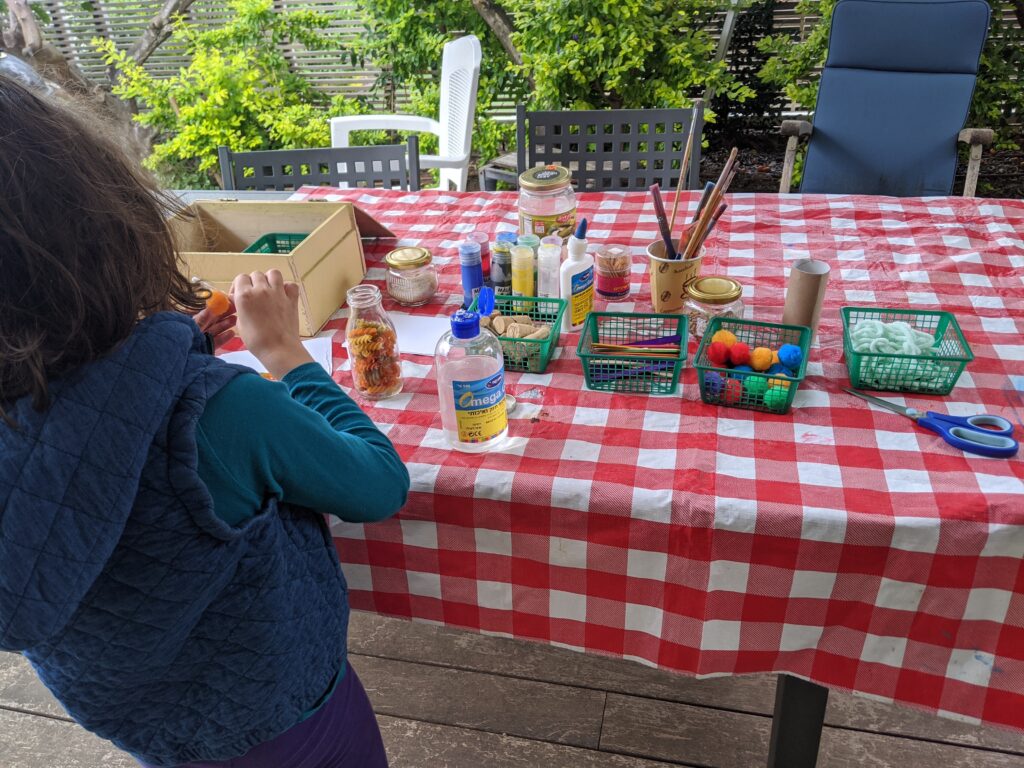
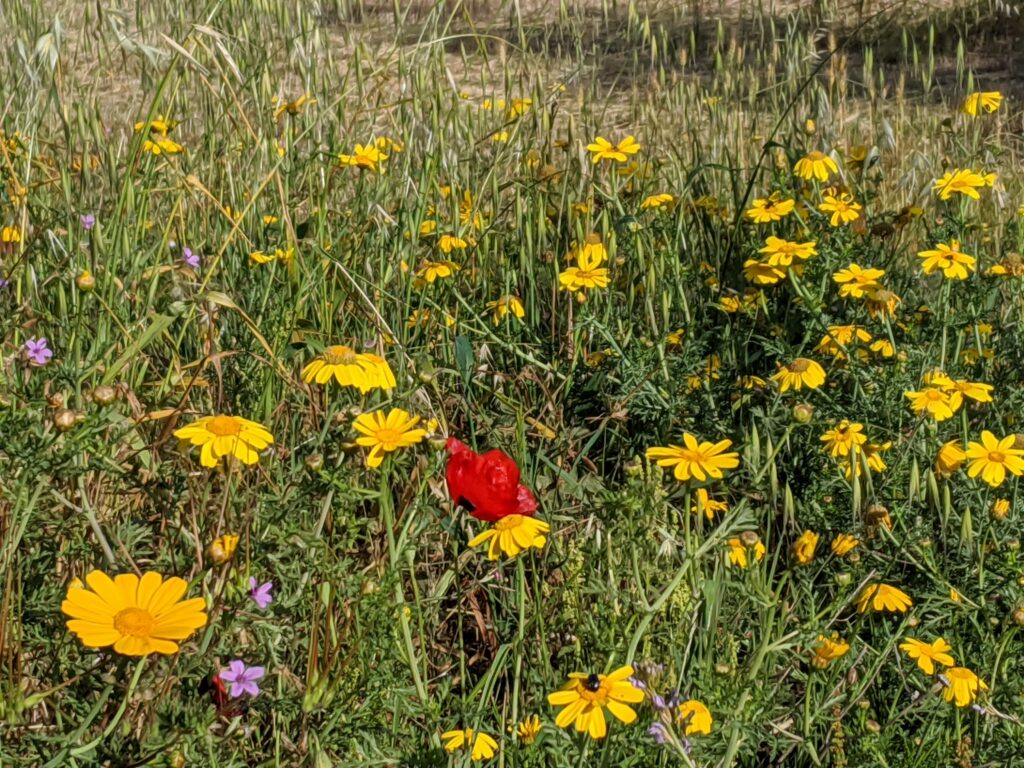
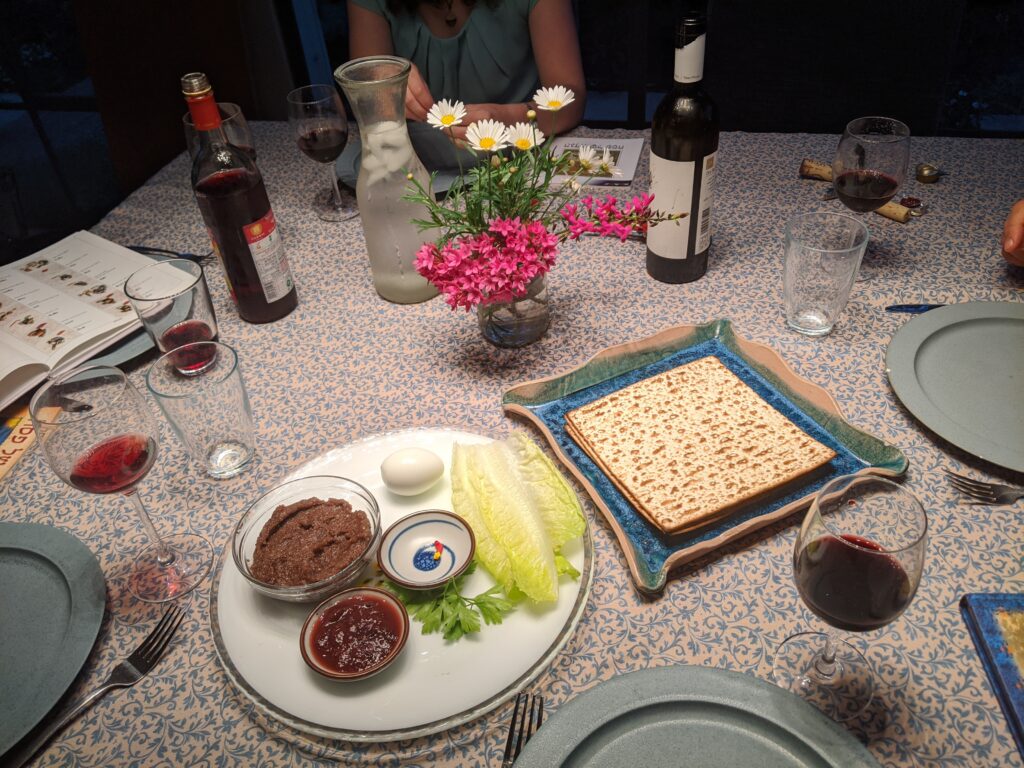
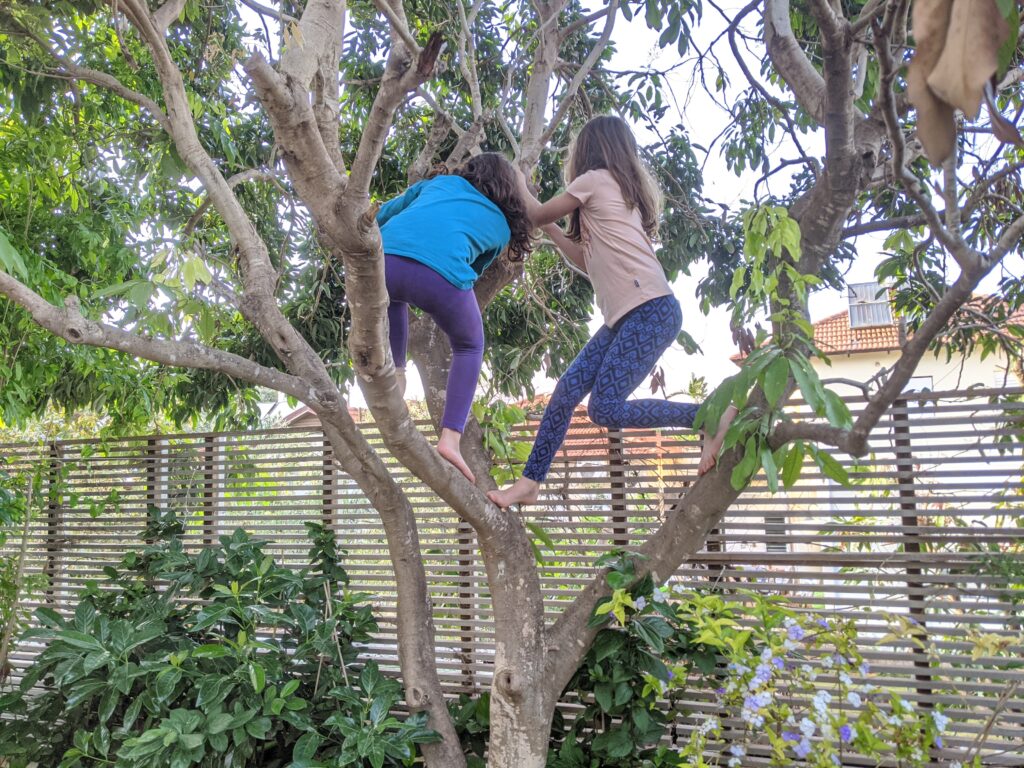
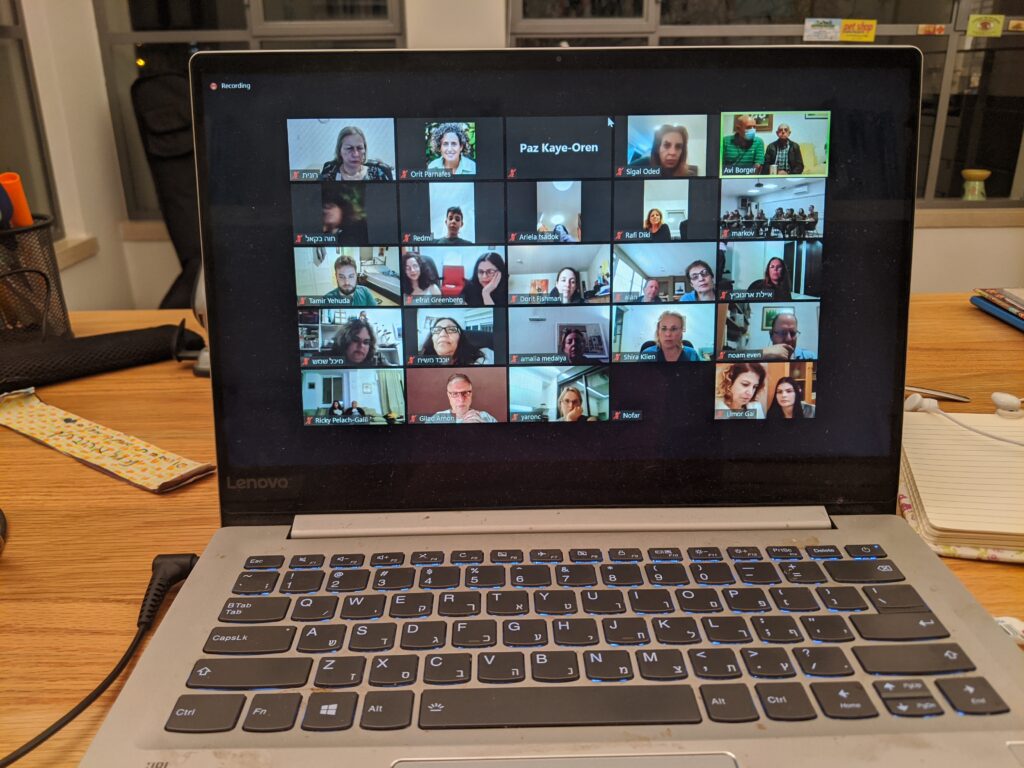
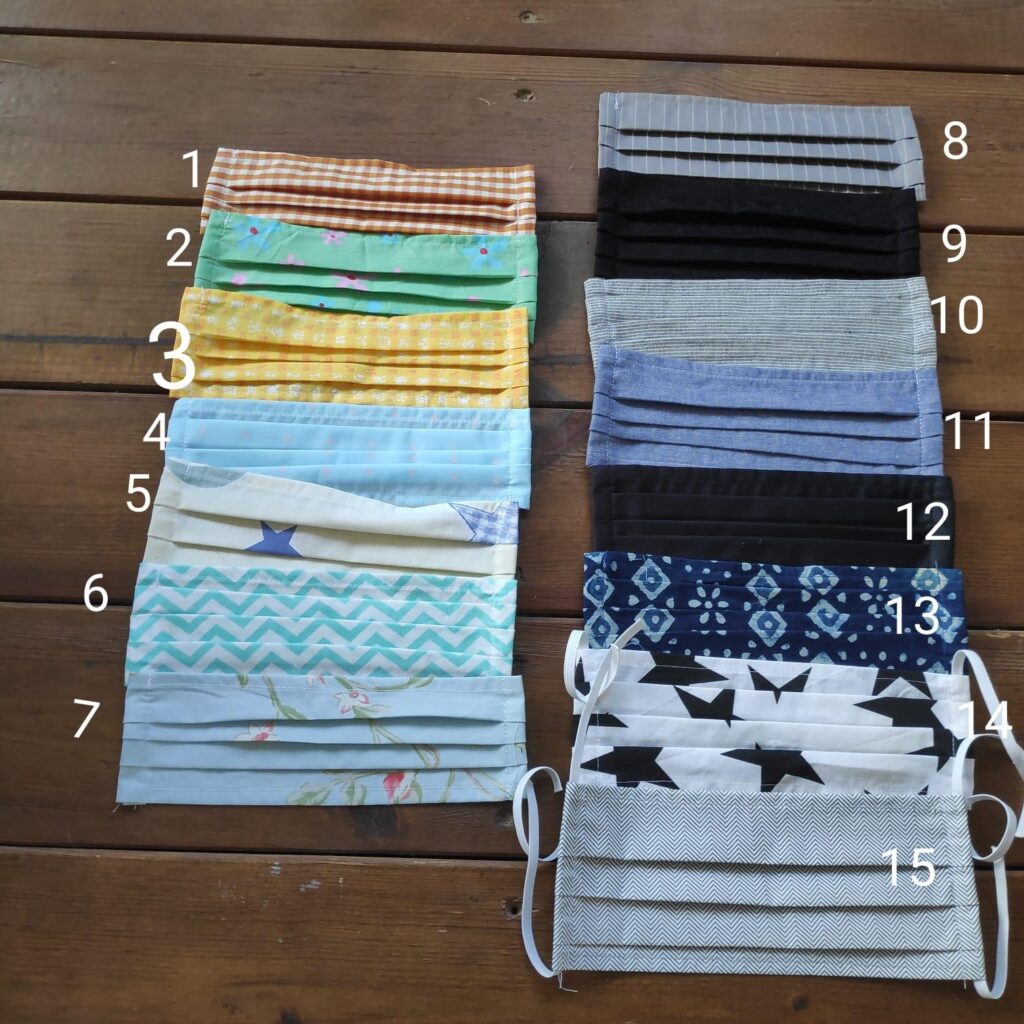
From right to left, across the rows, top to bottom:
- New skills entered daily life, with the need to clean the house without outside help.
- Lockdowns prevent people from meeting one another. Independent nature walks became popular even on weekdays.
- The absence of school promoted creativity. Parents developed, invented, and adopted creative activities for children.
- Nature burst forth and flourished in full force after months of human retreat.
- Lockdown prevented people from celebrating Passover Seder as in previous years, and the nuclear family created an intimate and new version of the holiday.
- Staying at home and in private yards led children to discover new possibilities in their immediate surroundings.
- Zoom became the main “living environment” for humans, young and old. New and creative possibilities for using the tool are still being discovered and invented daily.
- Unique and diverse designs of COVID masks became an important part of the fashion landscape.
COVID-19, had never been here before. It surprised us (En#0), then integrated into our life process (En#2), and brought about transformations in many aspects of our lives (En#3).
More examples of Environment #0
Environment #0 did not exist before, then arrived unexpectedly, influenced the life process, and changed it.
Something may someday affect the life process and be En#2, but is not now.
Here are more examples of Environment #0. For each one we can ask:
Did it not exist before? How did it arrive and surprise? How did it integrate into the life process and change it?
- Extreme climate change
- Changes in the marine environment
We, too, can change the environment and create an Environment #0:
- Waze navigation, compared to the navigation options that existed before it
- The Industrial Revolution
- The Information Revolution
- AI
- The possibility of flight became real
In conclusion
After presenting Environments #1, #2, and #3, it seems that a missing environment is one that holds the unknown, the surprising—and that is Environment #0.
Throughout the book, Gendlin does not return to discuss Environment #0, but it seems to have been important to him to present it for the sake of the model’s completeness. Gendlin reminds us that surprises exist, that we do not live only in a familiar world, and that major changes can arrive “out of nowhere” and become our Environment #2. That we should not feel too comfortable with what we know, with what we are used to, because at any moment something unpredictable can arrive and make changes.
After looking at a dramatic example, we can look at En#0 more delicately .
The four environments are mentioned in "Implicit precision". This is a book chapter published in 2012 (15 years after "A process model" was first published). This small paragraph provides a fresh view on En#0:
Environment #0, though mentioned fourth, really comes before the others. Of course the organism doesn't make its environment #2 and environment#3 just from its own implying. The organism is an interaction with the freshly unpredictable environment, unknown until it occurs (Gendlin 2012)
Every moment, we interact with the unpredictable, that was unknown until it occurred.
How does this feel to you?


I'd love to read what you thought: